Resize Image Tool For Fire Safety Inspection Documentation
Navigating the Demands of Digital Visual Assets in Modern Operations
Published: August 7, 2026
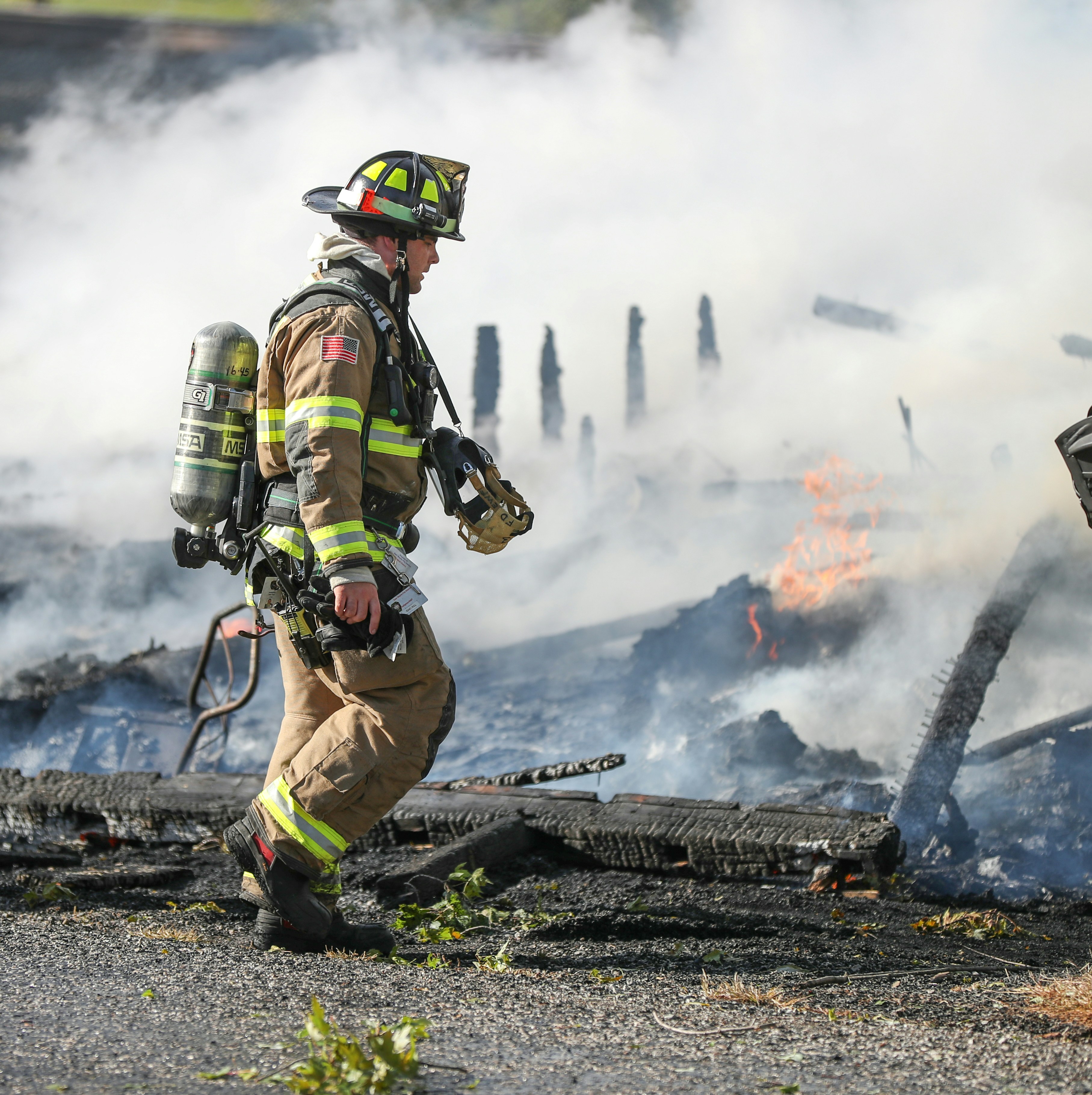
In the field of technical documentation, emergency services reporting, and regulatory compliance, the accuracy, scale, and clarity of digital visual assets carry monumental weight. When fire safety inspectors, municipal code enforcers, and structural safety officers document hazards, architectural deficiencies, or compliance infractions, they capture high-resolution imagery that must later be archived, shared, and reviewed. However, modern digital cameras and mobile devices frequently output image files that are excessively large, often ranging between ten to forty megabytes per photograph. This creates significant operational bottlenecks when attempting to attach these reports to municipal databases, state portals, or federal compliance repositories. To address this exact technical friction, professionals turn to solutions like the Vantix Image Optimizer to resize image online without sacrificing the underlying visual fidelity necessary for forensic review. This independent utility operates entirely through browser-based interfaces, allowing users to optimize massive libraries of inspection photos without being locked into proprietary software ecosystems or being forced to register for cumbersome accounts.
The operational framework of fire safety documentation is strictly governed by rigid statutory benchmarks. According to NFPA 1, Fire Code Section 1.7.6, jurisdictions are authorized to inspect structures, maintain precise records of code violations, and archive photographic evidence of hazardous conditions for mandatory statutory retention periods. Because these reports are frequently audited by state fire marshals, insurance underwriters, and legal counsel, every single image embedded within a report must retain legible text, sharp edges around electrical panels, clear depictions of blocked egress routes, and accurate color profiles of burned or compromised building materials. Compressing these images incorrectly can destroy crucial evidentiary details, potentially rendering an inspection report legally vulnerable or non-compliant with standard municipal filing systems. additionally, federal guidelines such as OSHA Standard 29 CFR 1903.7 dictate that compliance officers and authorized inspectors are empowered to take photographs and collect environmental samples, all of which must be organized into secure, accessible archival formats that do not exceed standard database upload thresholds.
Understanding how to properly manage these visual assets requires a granular look at the mechanics of digital compression and resolution scaling. Traditional desktop software requires installation, license verification, and frequent updates, all of which introduce unnecessary friction into fast-paced municipal workflows. By contrast, browser-based utilities utilize direct URL parameter adjustments to scale visual assets efficiently. Field inspectors frequently upload images directly from mobile workstations or tablets while still on-site, requiring a tool that is lightning-fast, highly responsive, and completely devoid of distracting advertising or hidden paywalls. The Vantix Image Optimizer addresses this by offering a zero-watermark policy, ensuring that official municipal documents and legal exhibits remain completely professional, clean, and unmarred by promotional overlays. This makes it an indispensable asset for building safety officials, risk management consultants, and architectural auditors who handle hundreds of megabytes of visual data on a daily basis.
As urban centers expand and commercial building codes become increasingly stringent, the volume of digital paperwork generated by safety audits continues to rise exponentially. Municipalities are moving away from traditional paper filing cabinets in favor of cloud-based municipal portals, geographic information systems (GIS), and digital permitting platforms. These modern platforms enforce strict file size limitations to preserve server bandwidth and ensure rapid document retrieval times during emergency response scenarios. When an inspector attempts to upload a batch of fifty high-resolution photographs documenting sprinkler system failures or fire door obstructions, oversized files will routinely trigger upload errors or cause system timeouts. Utilizing an efficient optimization utility ensures that files are compressed to meet exact portal specifications while strictly preserving the aspect ratio and dimensional integrity required by regulatory authorities. For professionals seeking complementary document management utilities, exploring tools like the Vantix PDF Compressor, the Vantix Metadata Scrubber, the Vantix Format Converter, the Vantix Batch Renamer, and the Vantix Resolution Checker can significantly simplify overall digital workflow efficiency across all municipal departments.
Navigating Regional Building Codes and Inspection Documentation Standards
Metropolitan Regulatory Frameworks and Photographic Evidence
The operational area of fire safety inspection is heavily dictated by localized municipal ordinances and state-level statutory requirements. When inspectors document code infractions within high-rise commercial structures, industrial warehouses, or multi-family residential complexes, the photographic evidence collected forms the cornerstone of enforcement actions, stop-work orders, and legal citations. According to International Fire Code (IFC) Section 104.7, the fire code official is authorized to render interpretations of the code and adopt policies, procedures, and rules in order to clarify the application of its provisions. This administrative authority extends to the standardization of reporting formats, including the technical specifications of digital image attachments submitted through municipal portal systems. Inspectors must ensure that every photograph submitted into evidence meets exacting standards of clarity, color accuracy, and dimensional stability to withstand rigorous scrutiny during administrative appeal hearings.
Technical Compliance and Archival Mandates
Beyond basic code enforcement, municipal agencies are bound by strict public records laws and archival mandates that dictate how long inspection reports and associated media must be preserved. Under state open records statutes modeled after the Freedom of Information Act (FOIA), municipal inspection reports, including all photographic exhibits, are classified as public documents subject to mandatory disclosure upon request. Consequently, these files must be optimized for long-term digital preservation without degrading the underlying visual data. Oversized images not only clog municipal storage servers but also create severe delays when public safety files are requested by journalists, legal representatives, or property owners. By utilizing simplified optimization methodologies, municipal departments can maintain lean, searchable, and fully compliant digital archives that satisfy both transparency mandates and technical storage efficiencies.
Step-by-Step Procedure for Streamlining Inspection Visuals
- Access the official web utility directly through your standard mobile or desktop web browser without needing to navigate complex registration walls or create a user profile.
- Select and upload your high-resolution inspection photographs, ensuring that files depicting critical code violations such as compromised fire barrier assemblies or blocked sprinkler risers are properly queued.
- Input your desired target dimensions or utilize URL-controlled parameter scaling to adjust the image resolution to precisely match municipal database upload limits.
- Verify that the aspect ratio lock is engaged to prevent any geometric distortion of structural elements, ensuring that measurements visible in the photograph remain legally defensible.
- Initiate the compression process, allowing the algorithm to reduce the file size by stripping unnecessary metadata while preserving the visual clarity of critical hazard zones.
- Review the processed image against regulatory standards, confirming the absence of any promotional overlays thanks to the strict zero-watermark policy.
- Download the optimized image files directly to your secure local workstation or cloud storage repository, ready for immediate attachment to official fire safety reports.
Configuring Dimensional Parameters and Aspect Ratios
Executing Optimization and Verifying Compliance
Key Facts
- Watermark Policy: zero watermarks applied
- Signup Requirement: no signup needed
- Optimization Methodology: URL controlled parameter scaling
- Tool Affiliation: independent tool not affiliated with NFPA
- Tool Primary Function: Resize image online[1]
- Watermark Status: Zero watermarks
Data aggregated from authoritative primary sources.
FAQs
Is any account registration or user sign-up required to use the Vantix Image Optimizer?
No, the Vantix Image Optimizer requires absolutely no account registration, user sign-up, or subscription setup. Fire safety inspectors, municipal code enforcers, and independent auditors can access the tool instantly through any standard web browser. This frictionless accessibility ensures that field personnel can quickly optimize inspection photographs on-site using tablets, mobile phones, or ruggedized laptops without wasting valuable operational time navigating login portals, password recovery screens, or paid subscription walls.
Does the optimization process apply any watermarks to the processed inspection photographs?
The platform enforces a strict zero-watermark policy across all operations. When documenting critical fire code violations, structural hazards, or egress obstructions, maintaining an unmarred, professional visual record is legally paramount. Because municipal inspection reports and photographic exhibits are frequently reviewed by legal counsel, insurance adjusters, and administrative hearing boards, applying promotional logos or watermarks could compromise the evidentiary integrity of the document. The Vantix Image Optimizer ensures that all output files remain completely clean, professional, and free from any unwanted visual overlays.
How does URL-controlled parameter scaling assist fire safety inspectors with large image files?
URL-controlled parameter scaling allows users to define precise dimensions and compression thresholds directly through interface controls or URL parameters without navigating complex dropdown menus. When field inspectors capture high-resolution images of complex electrical panels, blocked fire exits, or compromised sprinkler systems, the resulting files are often excessively large. By utilizing precise parameter scaling, inspectors can instantly reduce file sizes to meet municipal upload limits while strictly preserving the aspect ratio and fine visual details necessary for accurate hazard identification and regulatory compliance review.
Is the Vantix Image Optimizer officially affiliated with the National Fire Protection Association (NFPA)?
The Vantix Image Optimizer is an independent technical utility and is not affiliated with, endorsed by, or officially connected to the National Fire Protection Association (NFPA) or any other regulatory governing body. While the tool is engineered to help professionals meet the rigorous documentation and reporting standards set forth by codes such as NFPA 1 and IFC, it operates as a standalone web utility designed for general image optimization across various technical, industrial, and municipal workflows.
What specific steps should inspectors take to ensure optimized images remain legally compliant?
To maintain legal compliance when optimizing inspection photos, users must ensure that compression settings do not obscure critical evidentiary details such as serial numbers on fire extinguishers, warning placards on hazardous material storage units, or structural cracking in fire-rated walls. Inspectors should always retain a master archival copy of the original high-resolution image in a secure local repository while attaching the optimized, properly scaled derivative version to the official municipal reporting portal. Verifying that the aspect ratio remains undistorted is also crucial for maintaining accurate spatial representation in legal exhibits.
Can the image optimizer handle batch processing for large volumes of inspection photos?
The platform is engineered to support efficient handling of multiple image files simultaneously, making it ideal for comprehensive facility audits where inspectors capture dozens or even hundreds of photographs. By streamlining the optimization workflow, users can process entire batches of visual data in a fraction of the time required by traditional desktop editing software. This capability significantly reduces administrative lag, allowing inspection teams to compile, format, and submit their compliance reports well ahead of statutory deadlines.
What are the typical file size limits imposed by municipal portals for inspection reports?
While exact thresholds vary depending on the specific municipal jurisdiction and database architecture, most digital permitting and code enforcement portals enforce individual file size limits ranging from one to five megabytes per attachment. High-resolution digital cameras frequently generate files exceeding twenty megabytes, which invariably causes upload failures or system timeouts. Utilizing an optimization utility bridges this technical gap by compressing the file footprint to fit comfortably within municipal parameters without requiring manual resizing in cumbersome photo editing suites.
How does image optimization affect the metadata associated with fire safety photographs?
Standard image compression algorithms may strip or alter certain auxiliary metadata tags, such as precise EXIF timestamp and geolocation data, depending on user settings. For fire safety inspectors, retaining accurate capture time and location metadata is often vital for establishing an airtight chain of custody for code violations. Users should verify whether their specific reporting workflow requires embedded metadata preservation and utilize complementary tools like metadata scrubbers or preservation utilities if exact evidentiary tracking is mandated by local municipal policy.
Are there specific browser or hardware requirements to run the image optimization utility?
Because the Vantix Image Optimizer operates entirely within modern web-based environments, it has minimal hardware requirements and runs smoothly on any device equipped with an up-to-date web browser such as Chrome, Safari, Firefox, or Edge. Whether an inspector is operating a high-end desktop workstation in a municipal office or using a ruggedized mobile tablet on an active construction site, the responsive interface adapts smoothly to different screen resolutions and processing capacities, ensuring reliable performance across diverse field conditions.
What should an inspector do if an optimized image loses too much visual clarity?
If an optimized image exhibits noticeable artifacting or loss of sharpness that compromises the legibility of important safety details, the user should adjust the scaling parameters to apply a lighter compression ratio. Because the tool provides flexible parameter controls, inspectors can experiment with different optimization levels to strike the optimal balance between achieving the target file size for portal upload and preserving the granular visual fidelity required for rigorous engineering and code compliance reviews.
Evaluating Image Management Strategies Across Jurisdictional Contexts
When comparing digital asset management workflows across different municipal environments, significant variations emerge regarding software adoption, IT infrastructure budgets, and compliance strictness. Denser metropolitan areas often deploy enterprise-grade enterprise content management systems with automated ingestion pipelines, whereas smaller municipal districts frequently rely on lightweight, modular web utilities to handle day-to-day administrative burdens without incurring massive software licensing costs. These differences dictate how field inspectors prepare and submit their technical documentation.
In highly centralized regional hubs, IT departments frequently mandate strict proprietary software suites for all reporting procedures. While these suites offer reliable security, they can introduce severe latency and administrative overhead for field personnel who simply need to resize a batch of field photographs before uploading them to a mobile reporting app. Conversely, decentralized municipal districts lean heavily toward agile, browser-based tools that operate independently of central IT infrastructure, allowing inspectors to work rapidly in the field without experiencing software compatibility roadblocks.
additionally, budgetary constraints play a critical role in tool selection. Independent municipal fire districts often operate under strict fiscal oversight, making expensive subscription-based image editing software economically unviable. Public sector entities require tools that deliver enterprise-grade performance without ongoing licensing fees, mandatory user registrations, or paid upgrade tiers. This economic reality drives the widespread adoption of efficient, browser-based optimization platforms that provide zero-watermark outputs and direct parameter control.
To provide a clearer picture of how various municipal environments approach digital image optimization and reporting workflows, consider the following structured comparison matrix examining key operational parameters across different agency types:
Operational ParameterMetropolitan Fire DepartmentSuburban Municipal DistrictIndependent Safety ConsultancyPrimary Software RelianceEnterprise GIS & Custom PortalsStandardized Municipal CMSCloud-based Web UtilitiesFile Size RestrictionsStrict (Under 2MB per image)Moderate (Under 5MB per image)Variable (Client Dependent)Account Registration NeedMandatory Enterprise LoginOptional Department LoginNone RequiredWatermark PolicyStrictly ProhibitedStrictly ProhibitedZero Watermark Mandatoryto sum up, managing digital visual assets within the demanding framework of fire safety inspection and municipal code compliance requires tools that prioritize speed, precision, and absolute reliability. The Vantix Image Optimizer provides a vital technical bridge, empowering inspectors, structural engineers, and public safety officials to smoothly resize image online files without encountering bureaucratic software roadblocks, mandatory account registrations, or unwanted watermarks. By adhering strictly to established regulatory benchmarks and maintaining pristine visual clarity, professionals can ensure that their documentation stands up to rigorous administrative, legal, and operational review.
As municipal agencies continue to modernize their digital infrastructure and transition toward cloud-based reporting portals, the necessity for efficient, browser-based asset management will only intensify. Embracing simplified workflows not only saves valuable administrative time in the field but also guarantees that critical hazard documentation is transmitted securely, accurately, and in full compliance with municipal, state, and federal statutory mandates. Professionals are encouraged to integrate these reliable optimization practices into their daily standard operating procedures to enhance overall organizational efficiency.
To take the next step in optimizing your municipal reporting workflow, explore the full suite of Vantix utilities today. Experience the power of zero-watermark, registration-free file management designed specifically to meet the rigorous demands of modern technical documentation and safety compliance.
Sources
- tool_primary_function: Resize image online