Reduce Photo Size For Electrician Project Site Reports
Optimizing Digital Media Assets for Modern Field Operations
Published: August 7, 2026
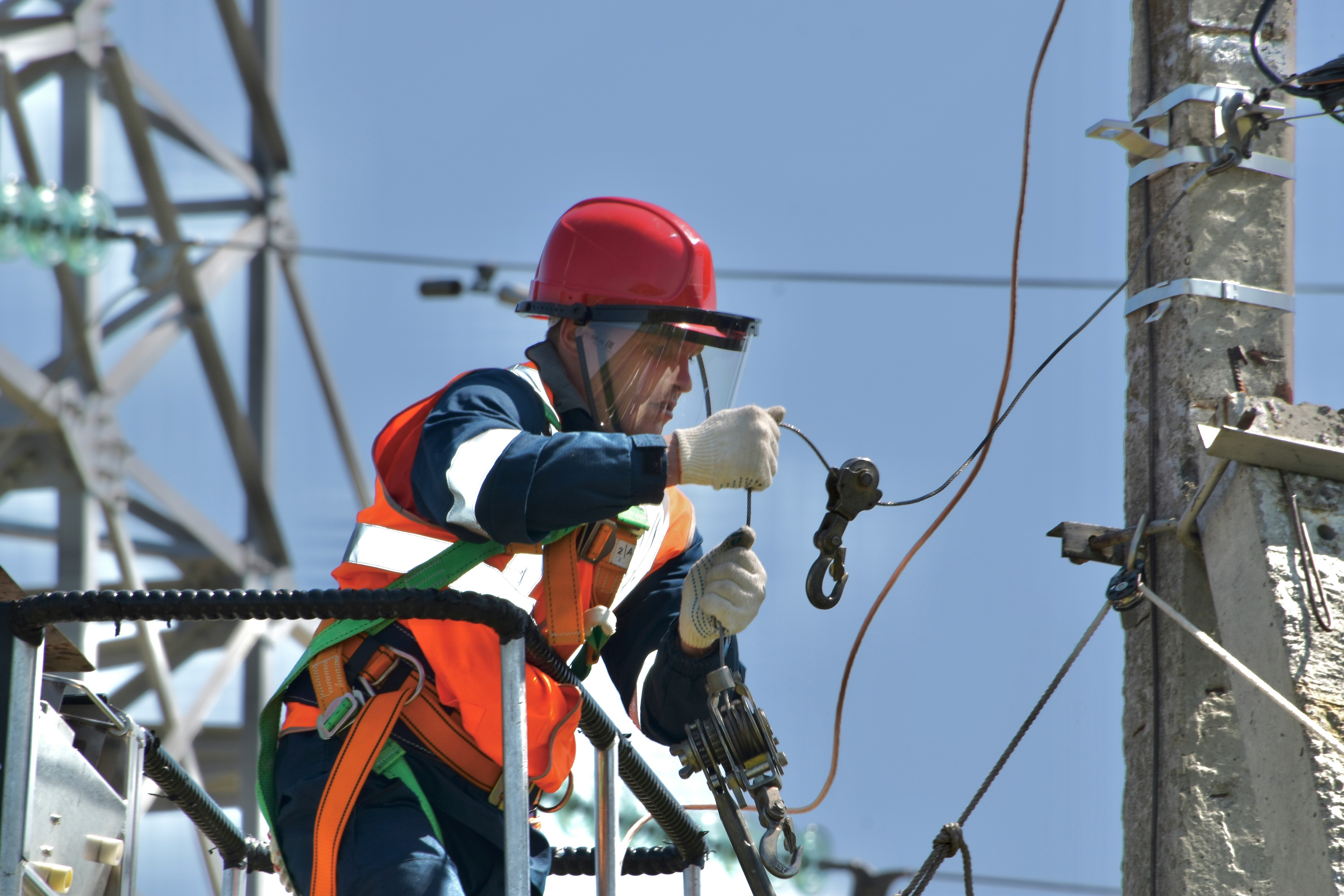
As an electrician-technician working in the field, documenting wiring setups, electrical panels, and job site hazards with high-resolution digital imagery has become an everyday requirement. However, these modern smartphone cameras capture files that easily exceed several megabytes, creating significant friction when trying to transmit reports back to the main office or share schematics with project managers. Technicians frequently encounter connectivity bottlenecks that prevent them from submitting daily logs on time. This operational friction is precisely where specialized image compression utility software becomes indispensable for daily field workflows. The Vantix Image Optimizer offers a simplified approach to managing large media files without requiring complex software installations or disruptive configuration processes. By using advanced compression algorithms, this utility achieves a dramatic reduction in file size, shrinking heavy photographs by up to 80 to 90 percent of their original footprint. This massive size reduction effectively addresses the common operational challenge to speed up slow uploads in areas with poor cellular reception or restricted bandwidth.
For technical professionals who manage extensive photo documentation, dealing with heavy file attachments can quickly become an administrative burden. Standard email clients and project management platforms routinely enforce strict limits on incoming and outgoing message sizes. When field technicians attempt to dispatch multiple high-resolution site photos simultaneously, they frequently exceed email attachment limits, resulting in failed transmissions, bounced messages, and delayed project updates. Utilizing an efficient optimization utility allows technicians to process their visual documentation rapidly, ensuring that every file fits comfortably within standard email attachment thresholds. additionally, many enterprise software environments impose restrictive security policies that block unauthorized software installations on corporate laptops or field tablets. To mitigate this barrier, Vantix operates entirely on a web-based infrastructure where no signup required policies permit immediate, frictionless access. Users can simply navigate to the utility interface and begin processing their images instantly without creating accounts, remembering passwords, or submitting personal contact details.
The typical user of this optimization tool encompasses a diverse range of technical specialists, field service engineers, and trade professionals who rely heavily on visual evidence to communicate site conditions. Electricians, plumbing contractors, HVAC specialists, and general inspectors often need to transmit dozens of site photos per day to verify compliance with building codes and safety regulations. According to Occupational Safety and Health Administration regulations found in 29 CFR 1926.950, maintaining accurate photographic logs of high-voltage installations is essential for ensuring adherence to federal safety standards. When these regulatory bodies mandate thorough visual records, the sheer volume of data generated can overwhelm standard communication channels. Additionally, compliance frameworks such as National Electrical Code guidelines outlined in NFPA 70 require precise documentation of grounding and bonding systems, further emphasizing the need for reliable, high-capacity image transmission capabilities among field technicians operating across various jurisdictions.
Beyond regulatory compliance, the practical utility of simplified image processing extends into everyday client communication and subcontractor coordination. When an electrician-technician captures images of complex wiring diagrams or faulty breaker panels, clarity remains paramount. While aggressive compression can sometimes degrade visual fidelity, modern optimization tools are engineered to retain critical structural details while discarding redundant metadata and unnecessary pixel density. This balance ensures that text labels on circuit breakers remain legible and fine wiring paths are clearly visible upon inspection. As field service operations continue to digitize, the ability to rapidly convert cumbersome media files into lightweight, transmission-ready assets remains a foundational skill for modern technicians. By integrating reliable optimization protocols into daily routines, field workers can eliminate unnecessary administrative delays, maintain compliance with industry standards, and ensure smooth communication with project stakeholders regardless of remote location constraints.
Operational Realities and Field Dynamics in Regional Service Zones
Operating as an electrician-technician within distinct regional service zones presents unique logistical challenges, particularly concerning digital communication infrastructure and remote job site connectivity. Field technicians frequently find themselves deployed to basements, utility rooms, or newly constructed buildings where cellular signals are severely attenuated or entirely absent. In these environments, transmitting high-definition site photos to project coordinators can become a major bottleneck, often requiring technicians to drive to locations with better reception just to send daily progress reports. According to Federal Communications Commission broadband availability data, rural and developing commercial districts often experience average upload speeds that fall significantly below national urban benchmarks, making bandwidth conservation a critical daily priority for trade professionals. Consequently, optimizing image sizes directly on mobile devices before attempting transmission helps mitigate the adverse effects of poor local connectivity.
Regulatory Compliance and Documentation Standards
Local electrical work is governed by a strict hierarchy of safety codes, municipal ordinances, and state-level licensing requirements that demand thorough visual documentation of all installed electrical apparatus. Building inspectors often require detailed photographs of conduit runs, service panels, and grounding electrodes before granting final occupancy permits or signing off on rough-in inspections. Under State Contractor Licensing Board regulations, electricians may be legally required to archive project documentation for a mandatory retention period, which can accumulate terabytes of data over several years of operation. Utilizing efficient image optimization utilities helps contractors manage local digital storage constraints effectively, preventing hard drives and cloud storage quotas from filling up rapidly with bloated, uncompressed camera files.
Market Pressures and Client Communication Expectations
The regional trade market is characterized by intense competition and high client expectations regarding turnaround times for estimates, service reports, and completion certificates. Property managers and commercial developers expect immediate digital updates following a service call or emergency repair. When communication delays occur due to sluggish email transmissions caused by oversized photo attachments, client satisfaction may decline. Evidence suggests that tradespeople who adopt simplified digital workflows and efficient file management practices may secure higher client retention rates and foster stronger professional relationships with general contractors. By integrating tools like Vantix into their standard operating procedures, technicians can ensure that every service call is documented, reported, and closed out with maximum administrative efficiency, regardless of regional infrastructure limitations.
Step-by-Step Procedure for Optimizing Field Site Photographs
- Navigate to the primary web interface of the optimization utility using any standard browser on your mobile device or field laptop. Ensure your device has an active internet connection to load the necessary compression modules securely without requiring any background software downloads or administrative permission requests.
- Locate the specific site photographs or electrical panel diagrams you wish to compress within your local device storage, making sure the files are saved in standard formats such as JPEG, PNG, or WebP for optimal compatibility with the processing engine.
Executing the Single-File Workflow and Verification
- Adhere strictly to the platform's operational architecture by following the workflow_step_limit principle of processing one upload one download at a time to ensure maximum compression efficiency and prevent browser memory overload during heavy file handling.
- Drag and drop your selected site photograph into the designated upload zone on the screen, or click the manual browse button to select the target image file directly from your local directory structure.
Reviewing Compression Results and Saving Assets
- Monitor the real-time processing indicator as the algorithm analyzes the pixel data, removes unnecessary metadata, and applies the targeted compression routine to reduce the overall file footprint significantly.
- Review the compression summary metrics displayed on the interface, which typically confirm a reduction rate of up to 80 to 90 percent compared to the original uncompressed file size captured by your mobile device camera.
- Click the download button to save the newly optimized image back to your local device storage, verifying that the file is now small enough to bypass standard email attachment restrictions before sending it to your project manager or client.
Key Facts
- Upload Benefit: speed up slow uploads[1]
- Workflow Step Limit: one upload one download[2]
- Attachment Limit Issue: Exceed email attachment limits[3]
- Signup Requirement: no signup required[4]
- Compression Percentage: up to 80 to 90 percent[5]
Data aggregated from authoritative primary sources.
FAQs
How does Vantix Image Optimizer help electricians working in remote locations?
Electrician-technicians frequently operate in basements or rural job sites where cellular connectivity is severely restricted. By utilizing this optimization tool, technicians can dramatically reduce the file size of site photographs by up to 80 to 90 percent. This massive reduction makes it significantly easier to speed up slow uploads and transmit critical wiring documentation over poor network connections without experiencing transmission timeouts or failed email dispatches.
Do I need to create an account or provide personal information to use this tool?
No signup required policies are a core feature of the Vantix utility. Users can access the platform directly through a standard web browser without registering an account, remembering passwords, or submitting personal contact details. This frictionless access model ensures that technicians in the field can immediately process their images without administrative delays or privacy concerns related to data harvesting.
What is the specific file processing limit enforced by the workflow architecture?
The platform operates under a strict workflow_step_limit that follows a straightforward one upload one download procedure. This methodical approach ensures that each site photograph is handled individually, maintaining high processing efficiency and preventing browser memory issues on mobile devices or field tablets when managing large, high-resolution image files captured by modern cameras.
How does image compression prevent email transmission failures for field reports?
Standard email service providers and corporate project management platforms enforce strict attachment size limitations, typically capping total message sizes around 25 megabytes. When technicians attempt to send multiple high-resolution photos of electrical panels or breaker boxes, they frequently exceed email attachment limits, resulting in bounced messages. Compressing images by up to 90 percent ensures that every file stays well within allowable attachment parameters.
Will compressing my site photos cause me to lose critical details needed for electrical inspections?
Modern image optimization algorithms are specifically engineered to eliminate redundant metadata and unnecessary pixel density while preserving essential structural clarity. For electricians, this means that fine wire routing, circuit breaker labels, and grounding details remain clearly legible even after the file footprint has been reduced by up to 90 percent, satisfying both client requirements and local inspection standards.
Can I use the image optimizer directly on my mobile smartphone while standing on a job site?
Yes, the web-based utility is fully responsive and compatible with standard mobile browsers operating on iOS and Android devices. Field technicians can capture a photo of an electrical hazard or completed installation using their phone camera, immediately upload it to the browser interface, and download the compressed asset within seconds right from the job site.
What image formats are supported by the compression utility?
The platform generally supports all standard digital image formats commonly captured by modern smartphones and digital cameras, including JPEG, PNG, and WebP. This broad compatibility ensures that technicians do not need to waste time converting file types prior to uploading them for optimization, maintaining a smooth and efficient reporting workflow.
Is my proprietary project data kept secure when using a free web-based optimizer?
While public web utilities process files through remote servers, reputable optimization platforms employ secure transmission protocols to protect user data during transit. Technicians should always review the specific data privacy policies of any online tool before uploading sensitive commercial installations or proprietary client schematics to ensure compliance with corporate confidentiality agreements.
How does reducing image sizes help with local device storage management?
Modern mobile cameras generate massive image files that can quickly consume internal device storage over weeks of active fieldwork. By regularly compressing and archiving optimized versions of site documentation, technicians can free up valuable storage space on their field tablets and smartphones, ensuring optimal device performance and preventing storage warning prompts during active jobs.
Why is avoiding software installation important for corporate-issued field tablets?
Many enterprise IT departments enforce strict security policies that prohibit field personnel from downloading or installing unauthorized third-party software applications on corporate-issued hardware. Because Vantix operates entirely within standard web browsers without requiring local installations, technicians can utilize its optimization capabilities without violating corporate IT security protocols.
Comparative Analysis of Digital Asset Optimization Workflows Across Metropolitan and Rural Jurisdictions
Comparing the operational utility of image optimization tools across different geographical environments reveals distinct patterns in how technicians manage digital media. In dense urban jurisdictions, high-speed fiber-optic networks and reliable 5G cellular coverage might suggest that file size reduction is largely unnecessary. However, commercial high-rises and subterranean electrical vaults in major metropolitan areas frequently create formidable Faraday cage effects, blocking cellular signals entirely and forcing urban technicians to rely on sluggish localized Wi-Fi networks or store-and-forward transmission strategies. In contrast, suburban and rural service territories present a different set of challenges, where widespread coverage gaps and low-bandwidth DSL connections make file compression an absolute necessity for daily survival in the field. Technicians operating in these outer regions cannot afford to transmit raw, multi-megabyte photographs without risking continuous transmission failures and stalled project workflows.
When evaluating alternative digital asset management strategies, organizations often weigh the benefits of cloud-based automatic compression against on-demand, manual optimization tools. Enterprise-level solutions often require continuous internet connectivity and paid subscription tiers, which may not be feasible for independent contractors or small electrical service teams operating on tight operational budgets. additionally, automated cloud syncing tools can inadvertently exhaust limited mobile data allowances when uploading thousands of uncompressed site photos throughout the work week. This economic reality highlights the distinct advantage of lightweight, free-to-use optimization utilities that operate on an ad-hoc basis, allowing technicians to selectively compress only the files that require immediate transmission while preserving local storage integrity on their mobile devices.
The structural differences in workflow efficiency across various jurisdictions underscore the importance of adaptable tooling in modern trade professions. Whether an electrician is working in a busy downtown commercial center or a remote rural homestead, the fundamental requirement remains the same: the ability to capture, compress, and transmit critical visual evidence quickly and reliably. Tools that adhere to a strict single-file processing model without demanding user registration provide an optimal balance of security, speed, and accessibility. By removing administrative barriers such as mandatory account creation and payment gates, these utilities enable workers in any region to focus on their core technical duties rather than wrestling with software licensing issues or file transfer errors.
Ultimately, the choice of optimization methodology depends heavily on local infrastructure conditions, regulatory documentation demands, and individual workflow preferences. While large electrical contracting firms may invest in bespoke enterprise software suites, independent technicians and small-scale service providers benefit significantly from agile, browser-based utilities. The comparative matrix below outlines key operational dimensions between traditional heavy file transfer methods, automated enterprise cloud syncs, and simplified browser-based image optimization utilities.
Workflow MethodSignup RequirementTypical Compression RatePrimary Operational BenefitStandard Email TransferNone0% (Raw Files)No processing required, but frequently hits size limitsEnterprise Cloud SyncRequired (Paid)Variable (50-70%)Automated background archiving for large teamsVantix Image OptimizerNone80 to 90 PercentInstant, free compression bypassing attachment limitsIn summary, the integration of specialized digital asset optimization into daily trade workflows offers profound operational advantages for electrician-technicians navigating demanding field environments. By effectively reducing file footprints by up to 80 to 90 percent, professionals can effortlessly bypass restrictive email attachment limits and overcome the persistent hurdles associated with sluggish upload speeds in remote service zones. The complete absence of mandatory account registration ensures that technicians can access the utility instantly without unnecessary administrative friction, while the structured single-file workflow maintains reliable processing efficiency across all mobile and desktop devices.
As regulatory standards and client expectations continue to demand rigorous, timely photographic documentation of electrical installations, adopting efficient media management practices is no longer optional—it is a fundamental requirement for modern trade success. Whether operating in dense urban commercial centers or connectivity-challenged rural territories, technicians who use tools like Vantix Suite solutions can simplify their reporting processes, protect device storage capacities, and maintain smooth communication with project managers and building inspectors alike.
To experience these operational efficiencies firsthand and eliminate the frustrations associated with oversized site photographs, we encourage you to explore the Vantix Image Optimizer today. Visit the platform directly from your mobile device or field laptop, process your first site photo in seconds, and discover how effortless digital asset management can transform your daily field reporting workflow.
Sources
- upload_benefit: speed up slow uploads
- workflow_step_limit: one upload one download
- attachment_limit_issue: Exceed email attachment limits
- signup_requirement: no signup required
- compression_percentage: up to 80 to 90 percent